
Sponsoring a tree is a great way to help the environment and it makes the perfect green gift for those who love nature.
We have hundreds of oak and rowan trees available for sponsorship at Mauldsheugh Wood.
Each sponsor gets a certificate with their name on, the number of the tree and its GPS location in the wood so they can visit to see how it is getting on.
The certificate will be emailed to you in the form of a PDF that you can print out yourself or save on your phone or computer.
You can sponsor a tree yourself or dedicate one to someone else – just make sure you tell us whose name (or names) will go on the certificate.

The proceeds of the sponsorship scheme will go towards supporting the work of Go Wild Scotland Community Interest Company, which manages the Mauldsheugh Wood Community Wildlife Project.
The project aims to look after the the woodland for the well-being of the wildlife and the people who share and visit the natural environment.
In its first year it has already established a wildlife pond, a bird feeding station and open hide and a forest school for use by local schools and youth groups.
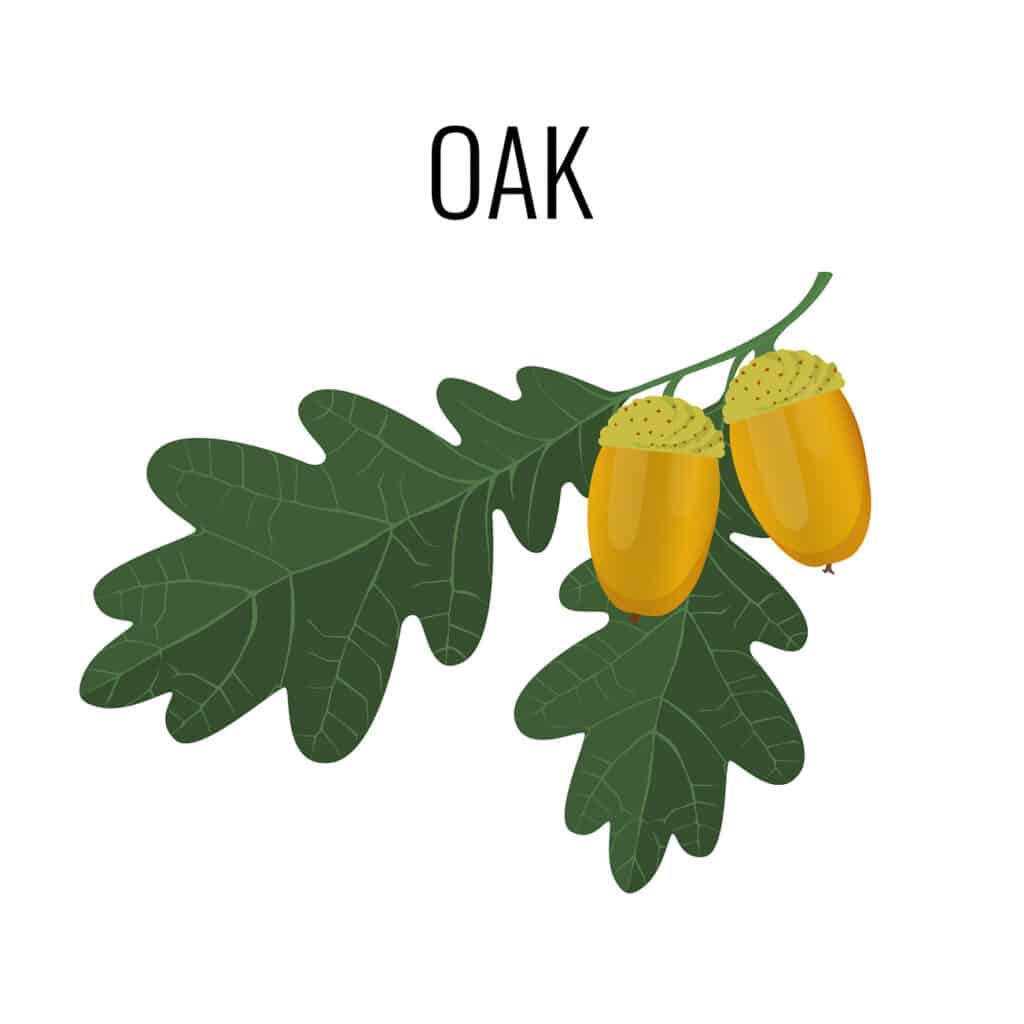
Oaks are one of the most treasured of British trees and can live for up to 800 years.
Their rounded leaves are easily recognised and their acorns are a food source for dozens of creatures, including Scotland’s iconic red squirrels.
These saplings are all pedunculate oaks, also known as English oaks. They are native to Scotland – one of the most famous examples is the Birnam Oak in Perthshire, said to be one of the last remaining trees from the Birnam Wood mentioned by Shakespeare in Macbeth.
The saplings were planted in the spring of 2021 and were checked over by volunteers from the Borders Forest Trust in the autumn.
Each sapling is protected by a tall tree guard attached to a sturdy wooden stake. They are all numbered and labelled.
The saplings are planted in several locations around the wood. They were rescued by a crowd-funded environmental group after delays to a government -funded planting project meant they were in danger of being destroyed.
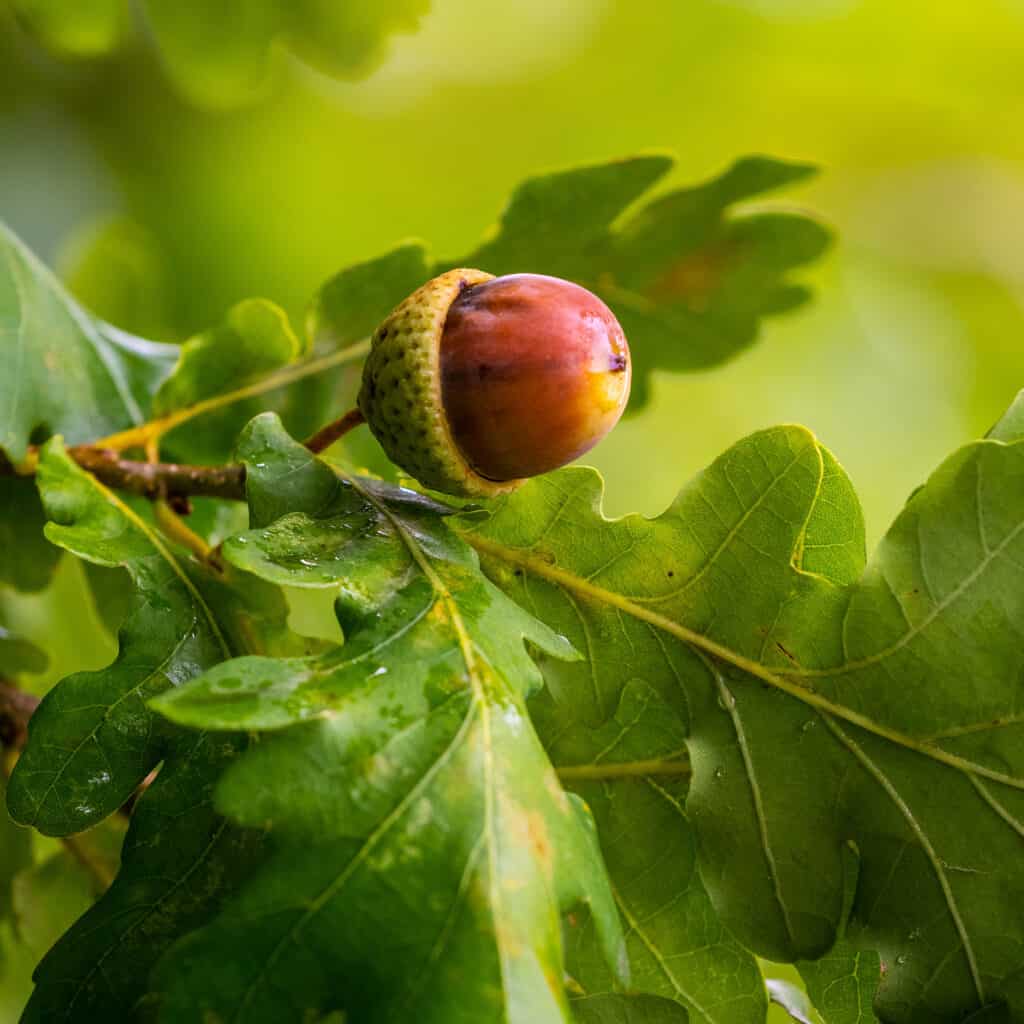
These young trees were planted after the previous softwood plantation was cleared a few years ago.
They are at least five years old and most stand at least two metres tall – though oaks can live for 800 years and grow up to 40 metres tall.
Oaks are said to support more wildlife than any other species of native UK tree, with 300 species depending entirely on these magnificent trees.
Like the saplings, these are pedunculate oaks, also known as English oaks, though they are native to Scotland and are most common on the eastern side of the country.
These beautiful young trees are already well-established and are staked and fitted with tree guards to protect them from deer, though many are now reaching an age where the guards can be safely removed.
The trees are dotted around the wood and each tree is numbered and marked with a label. They can be located using the GPS coordinates supplied with the sponsorship certificate.

These pot-grown saplings were planted in the autumn of 2021 by volunteers from the Borders Forest Trust.
Rowans can live for up to 120 years and legend has it that they offer protection from witches. Though we have absolutely nothing against witches…
These saplings vary in size and are from a range of species.
Rowans – also known as mountain ash – are an important species in a woodland, supporting more than 50 types of insect. Their berries are sought after by birds in autumn.
Their foliage is particularly spectacular in autumn, when it turns bright red, orange and yellow.
Each sapling is protected by a tall tree guard attached to a sturdy wooden stake. They are all numbered and labelled.
They have been planted in several locations around the wood, generally close to the paths.
Disclaimer: Please note that funds from the sponsorship programme will be used to support the running of Go Wild Scotland Community Interest Company (company number 678643), which manages the woodland under licence from the Philiphaugh Estate.
Sponsorship does not imply ownership of the tree and it is not possible to guarantee the longevity of the tree. Should the tree need to be removed as part of the management of the woodland, a replacement will be planted.