Congratulations! These fish-eating raptors migrate to the Scottish Borders from West Africa in spring and stay until autumn. Their numbers are increasing and they can be spotted along the Tweed river system. from From top left, clockwise: hen harrier, osprey, golden eagle, buzzard
Bad luck! Ospreys are large fish-eating raptors which migrate to the Scottish Borders from West Africa in spring and stay until autumn. Their numbers are increasing and they can be spotted along the Tweed river system. from From top left, clockwise: hen harrier, osprey, golden eagle, buzzard
Sparrowhawks are adapted for hunting in tight spaces, making them perfectly suited to woodlands. They can be spotted swooping through the trees in pursuit of their prey, which ranges from goldcrests up to larger birds such as pigeon and even pheasant.
They don’t get it all their own way though – the larger goshawk will catch and kill a sparrowhawk that ventures into its territory. Younger birds are also vulnerable to attack by tawny owls.
Females are up to a quarter bigger than males. The female has a grey striped breast, while the male’s are more orange.
Kestrels are one of the smallest birds of prey and live mainly on a diet of small mammals. They need to catch at least four voles a day
They can often be spotted hovering at the edges of woodland or along the sides of roads before diving on their unsuspecting prey.
Their numbers fell dramatically during the 20th century as a result of increased use or pesticides in farming.
Kestrels can see ultraviolet light, which gives them an unlikely edge over the rodents they hunt: rodent urine reflects ultraviolet light and so kestrels are provided with a glowing trail leading directly to their target.
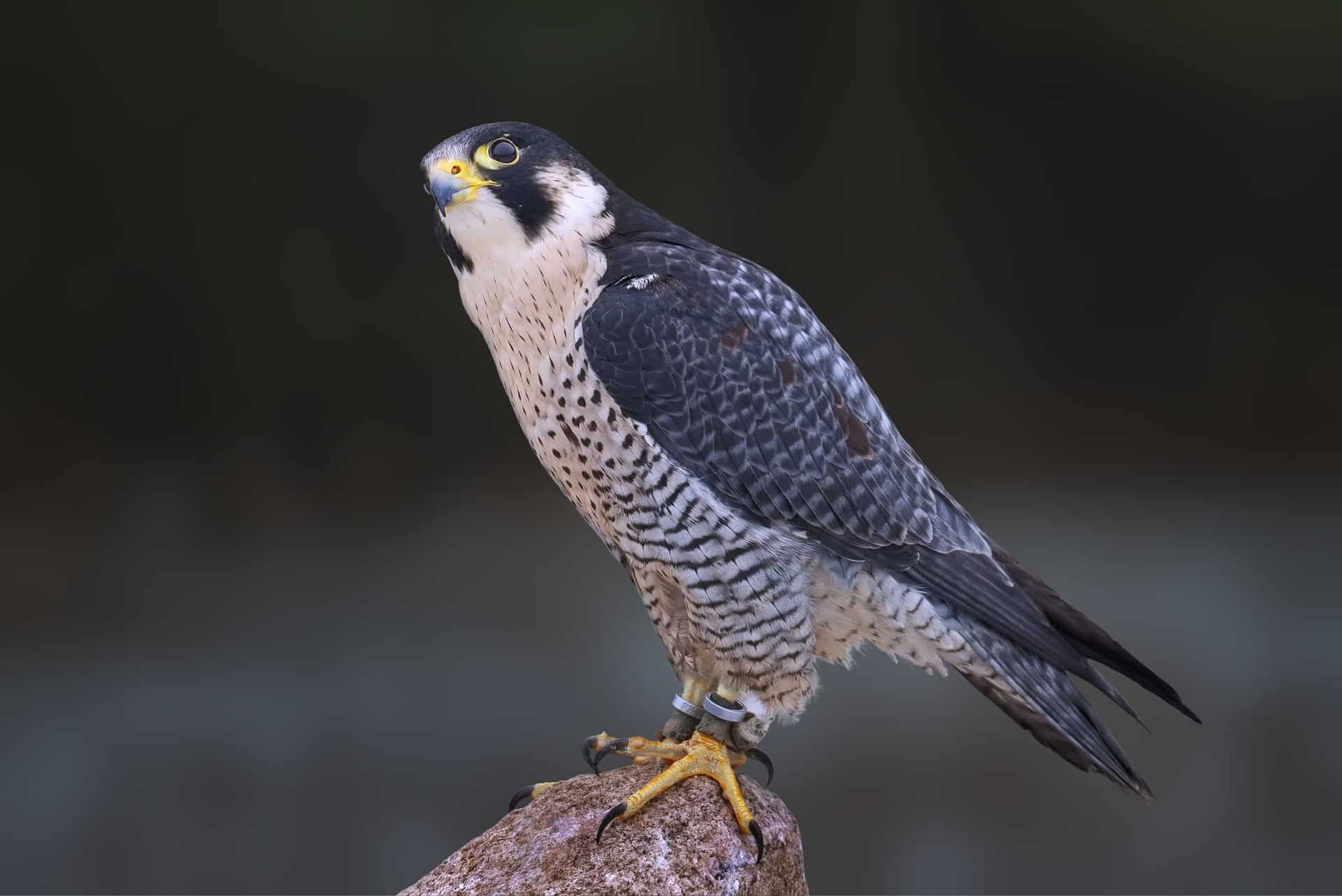
About the size of a crow, the blue-grey backed peregrine is a formidable hunter, targeting species including wood pigeon and starlings.
Peregrine falcons can reach speeds of 240mph as they dive towards their prey. The dive is called a stoop and culminates in the peregrine stunning the target with a powerful blow from its talons. It then catches the falling bird or allows it to hit the ground.
They mate for life and rarely venture further than about 100km from the place they were born.
Peregrine nests are called eyries and are often found on cliffs or other inaccessible locations, though they are becoming more common in the urban landscape, making use of tall buildings.
Silver birch is a pioneer tree, one of the first to establish itself in new woodland. It gets its name from the pale bark, which becomes fissured as the tree matures.
The open canopy allows lights onto the woodland floor, encouraging the growth of wildflowers including bluebells and wood anemones.
Silver birch are associated with several fungi including chanterelles and fly agaric mushrooms.
Male catkins form in autumn and remain on the tree over winter before opening in spring. Female catkins form in spring.
The bark was traditionally used in leather tanning.