Well done. Golden eagles are usually dark brown with a lighter, more golden, head and a long tail. They are smaller than the enormous white tailed sea eagles that can also be seen in Scotland. The birds pictured are (clockwise from top left) Red Kite, Golden Eagle, Buzzard and Sea Eagle
Bad luck. Golden eagles are usually dark brown with a lighter, more golden, head and a long tail. They are smaller than the enormous white tailed sea eagles that can also be seen in Scotland. The birds pictured are (clockwise from top left) Red Kite, Golden Eagle, Buzzard and Sea Eagle
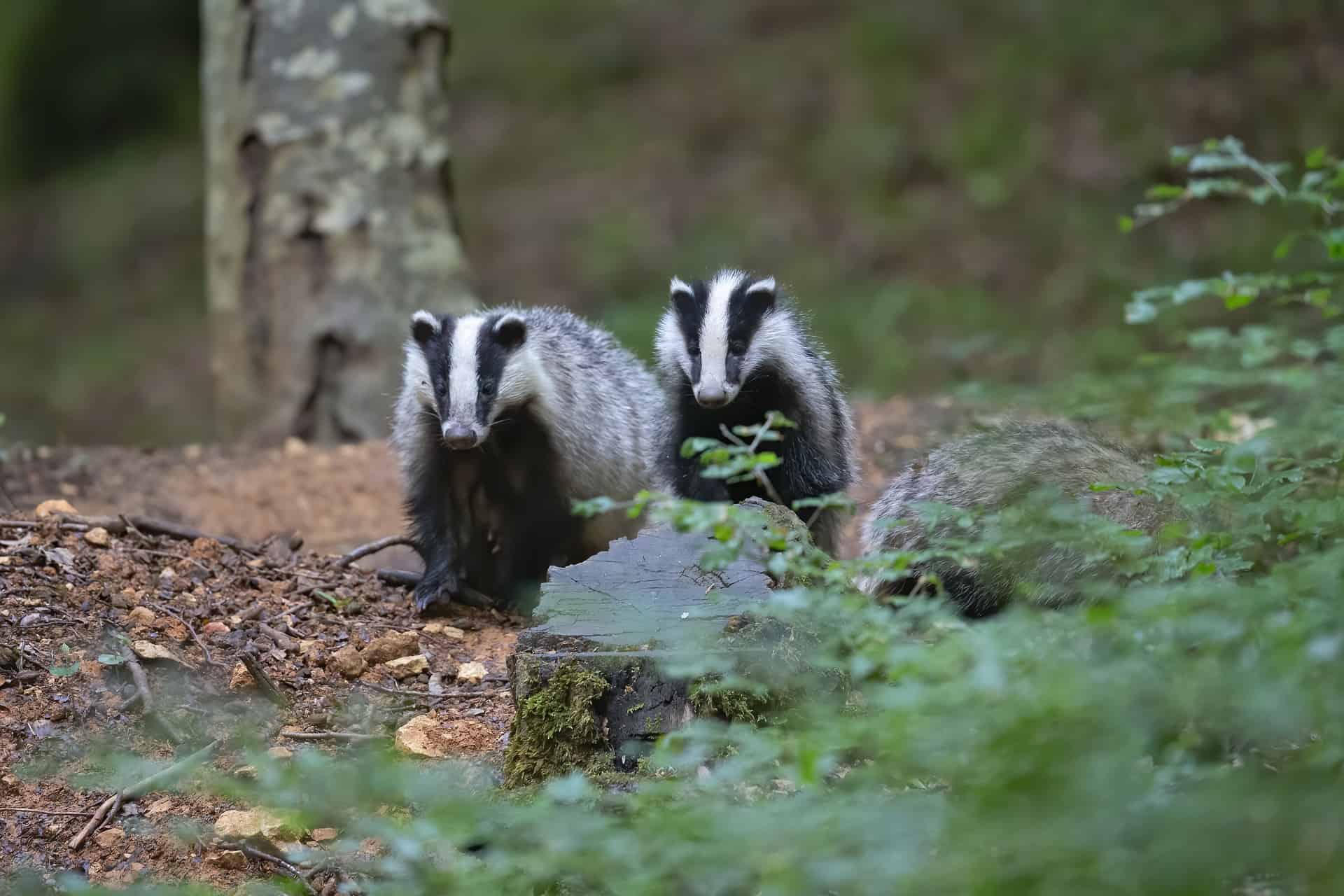
Badgers spend more than two thirds of their time underground and are most active at night – but you can still spot them out and about in daylight around dawn and dusk if you are lucky.
They are communal animals and as many as 20 animals will share an underground burrow known as a sett. They are also known to share with other species, including foxes.
Worms make up the biggest part of a badgers diet – but they’re not fussy eaters and will even eat hedgehogs if they get the chance.
Badgers belong to the weasel family – the Mustelidae – as do otters.
Their sense of smell is about 800 times stronger than that of humans – maybe that’s why they dig a toilet outside their setts!
Ash is a deciduous hardwood tree which bears easily identifiable pairs of black leaf buds in the spring.
The ash is a native Scottish species and a member of the olive family of trees.
Ash features in the myths of many cultures, including the Vikings, who called it Yggdrasil, the World Tree.
It is one of the hardest woods and was previously used for chariot axles.
Sadly a disease known as ash dieback has now arrived in Scotland and is affecting many of the trees here.
Diseased and dying trees are either cut down or their upper limbs are cut back to make them safe and to try to encourage healthy new growth. Coppicing ash – cutting it down to a stump near the ground – has been practised for centuries.